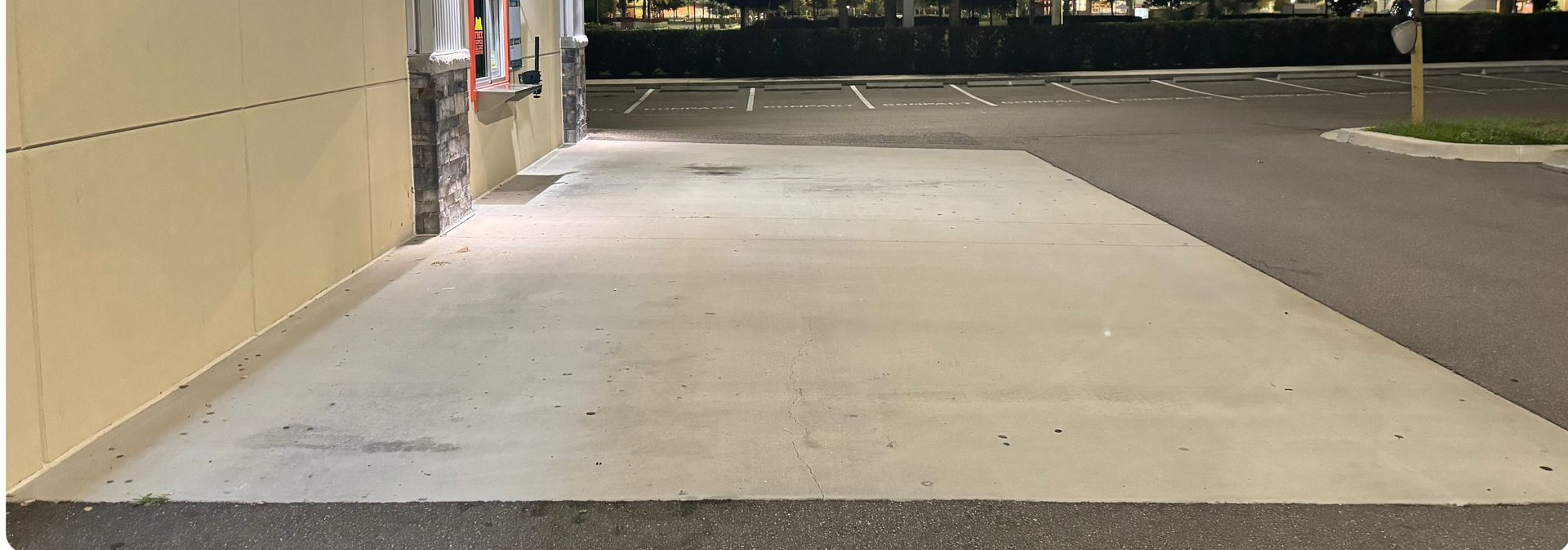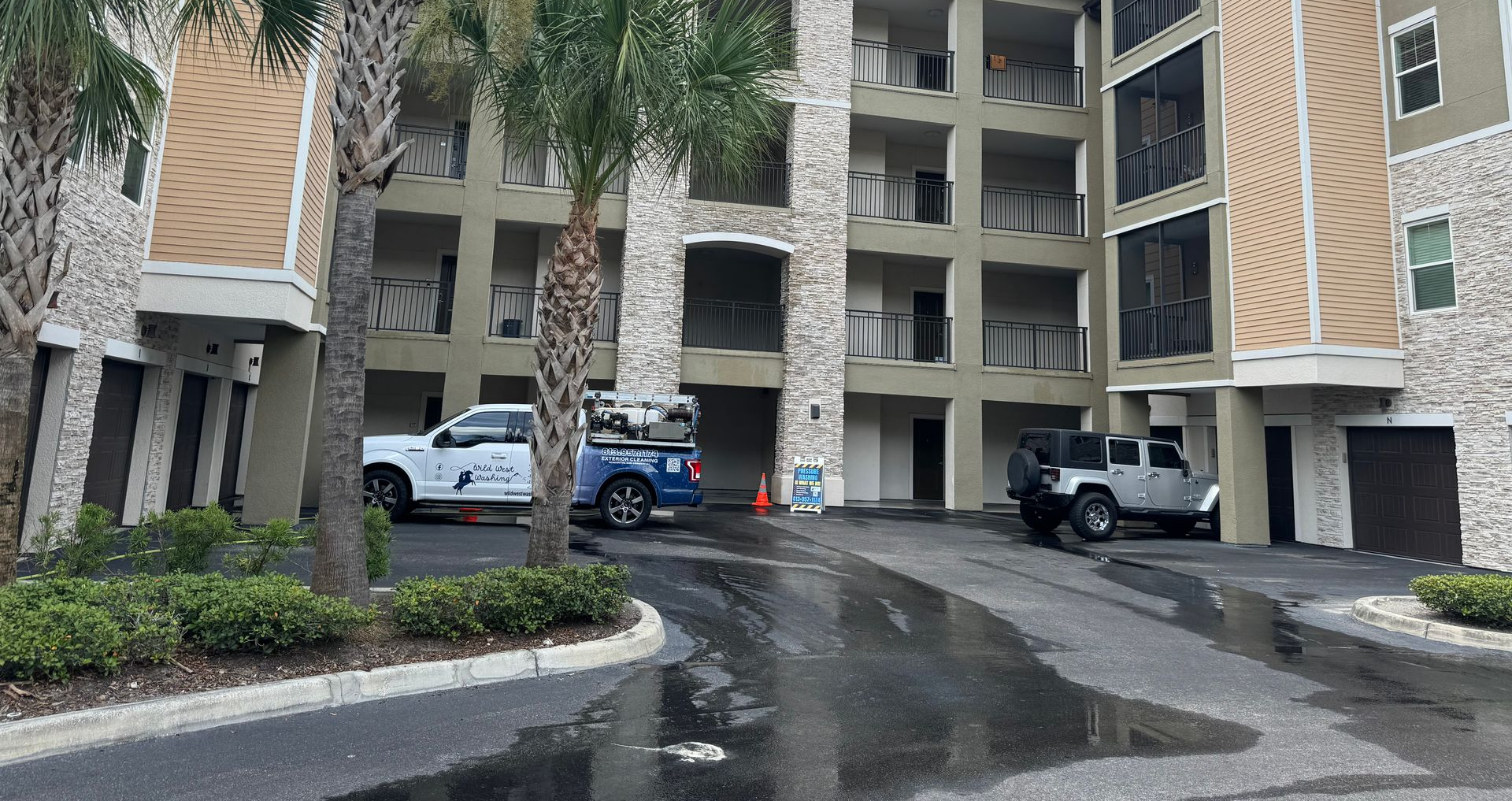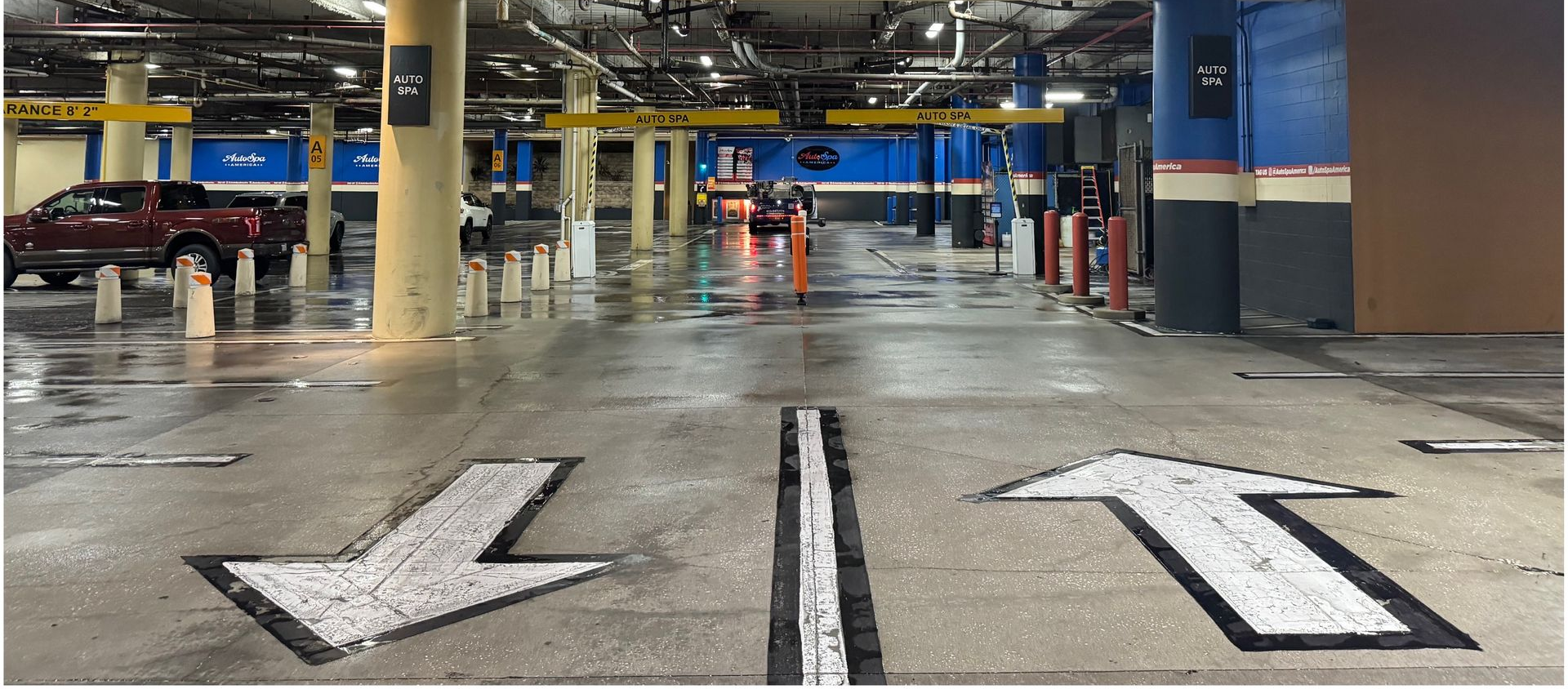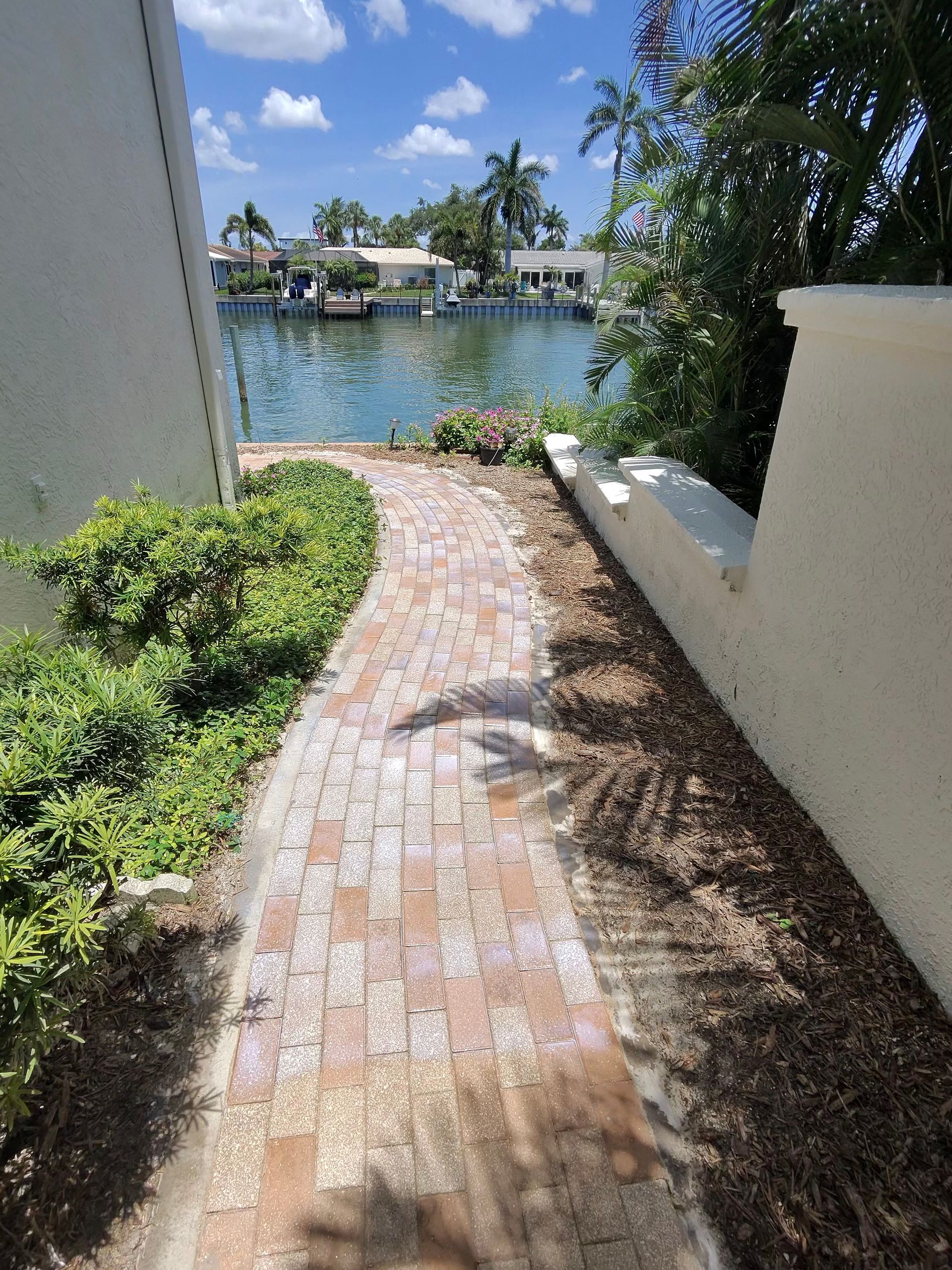
Sidewalk Restoration in Odessa
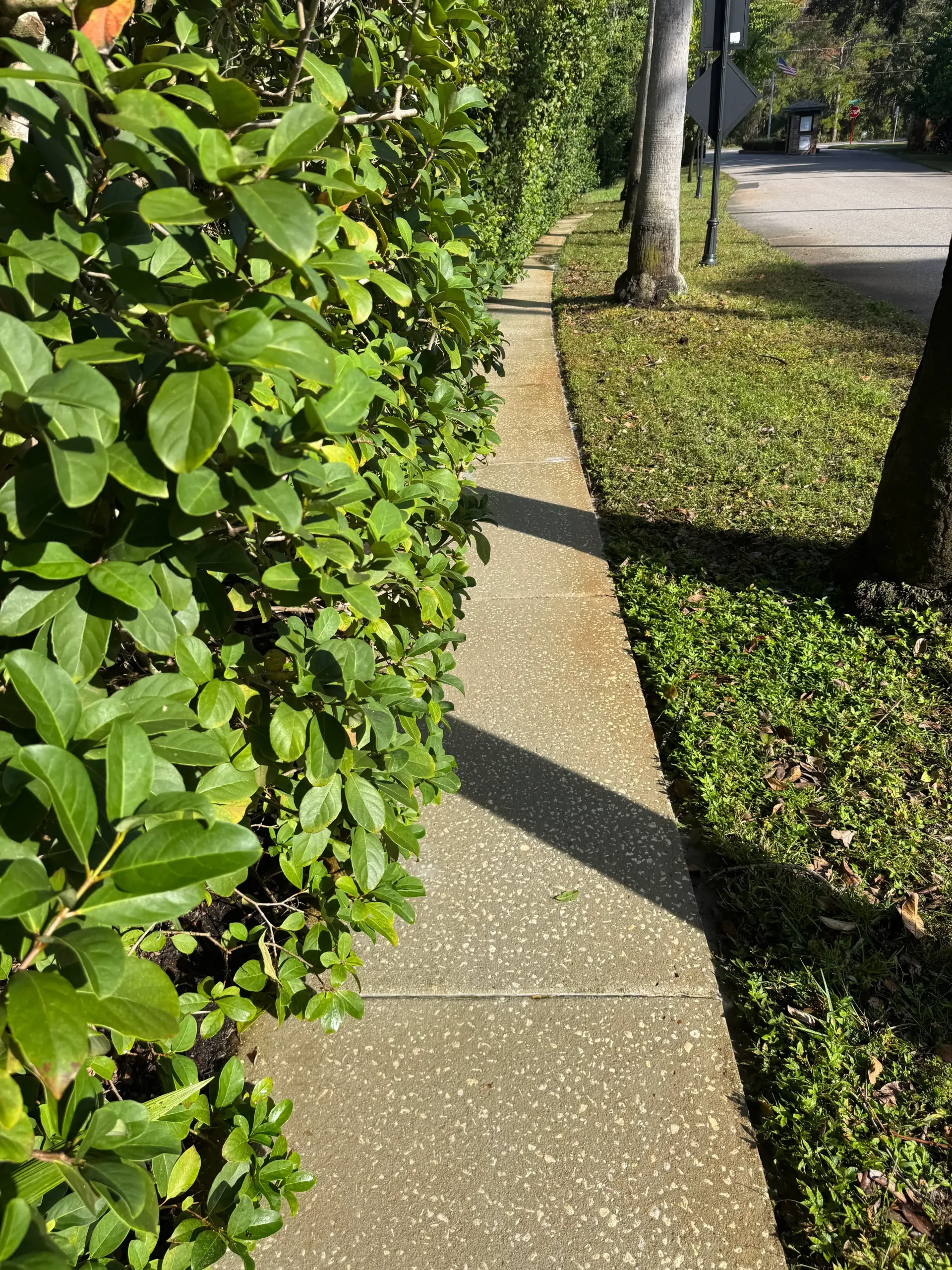
Why Concrete Care Is About More Than Curb Appeal
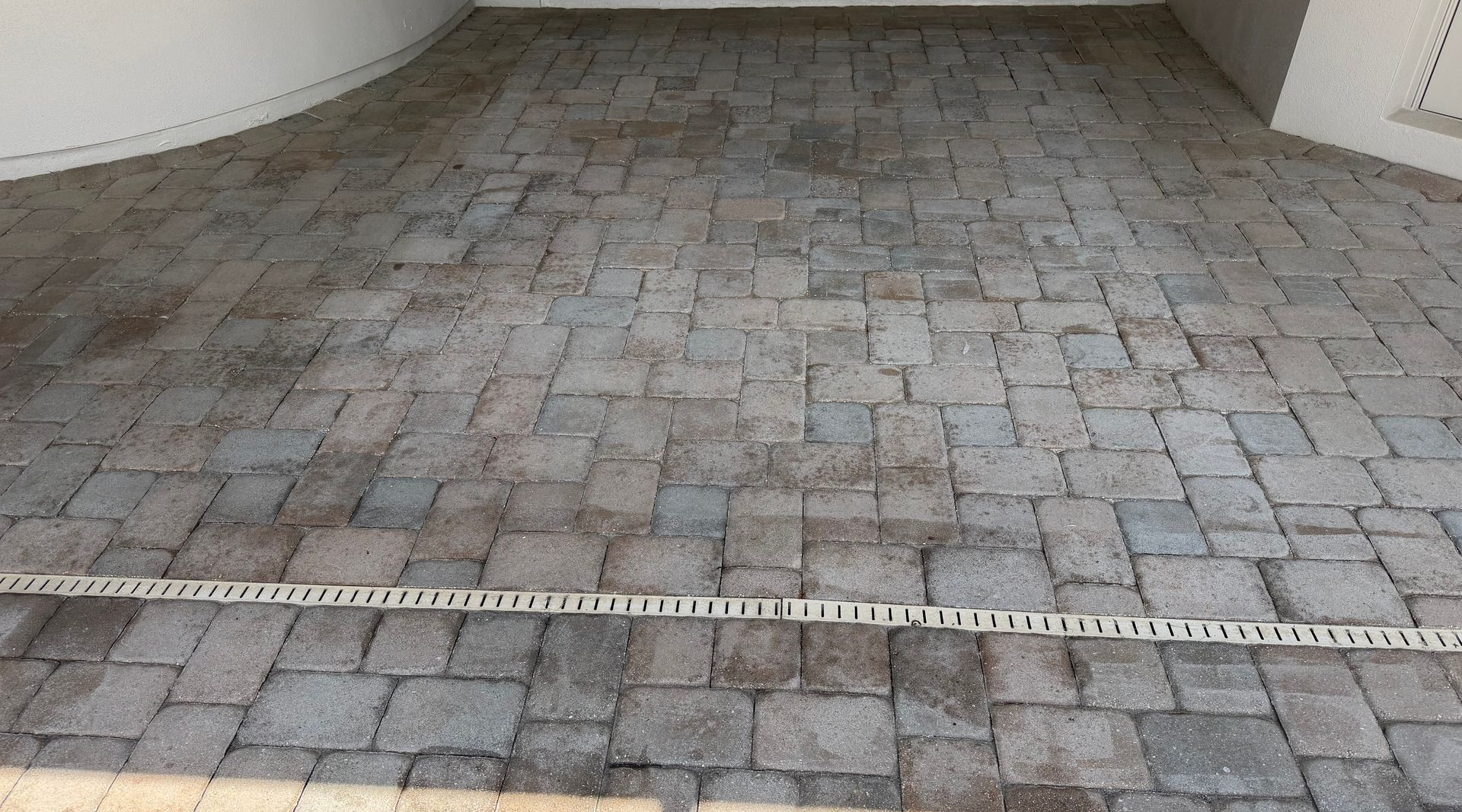
Odessa, Florida sits in a sweet spot of Tampa Bay living sprawling equestrian properties, gated master-planned communities, and a rural meets suburban charm that draws families looking for space without sacrificing convenience. But underneath that charm is a surface most homeowners rarely think about until it starts to fail: the concrete sidewalk. Walkways, entry paths, pool decks, and driveway aprons take a daily beating from Florida's climate, and in a community like Odessa, where properties often include long paver or concrete walkways framed by lush landscaping, that damage adds up quietly until it becomes a real safety and financial concern.
Sidewalk restoration isn't a cosmetic afterthought. For homeowners and HOA boards throughout Odessa, it's a matter of liability protection, structural longevity, and property value preservation. Let's break down what's actually happening beneath your feet and why a proactive restoration plan matters more than most people realize.
Florida's Environment Is Relentless on Concrete Surfaces
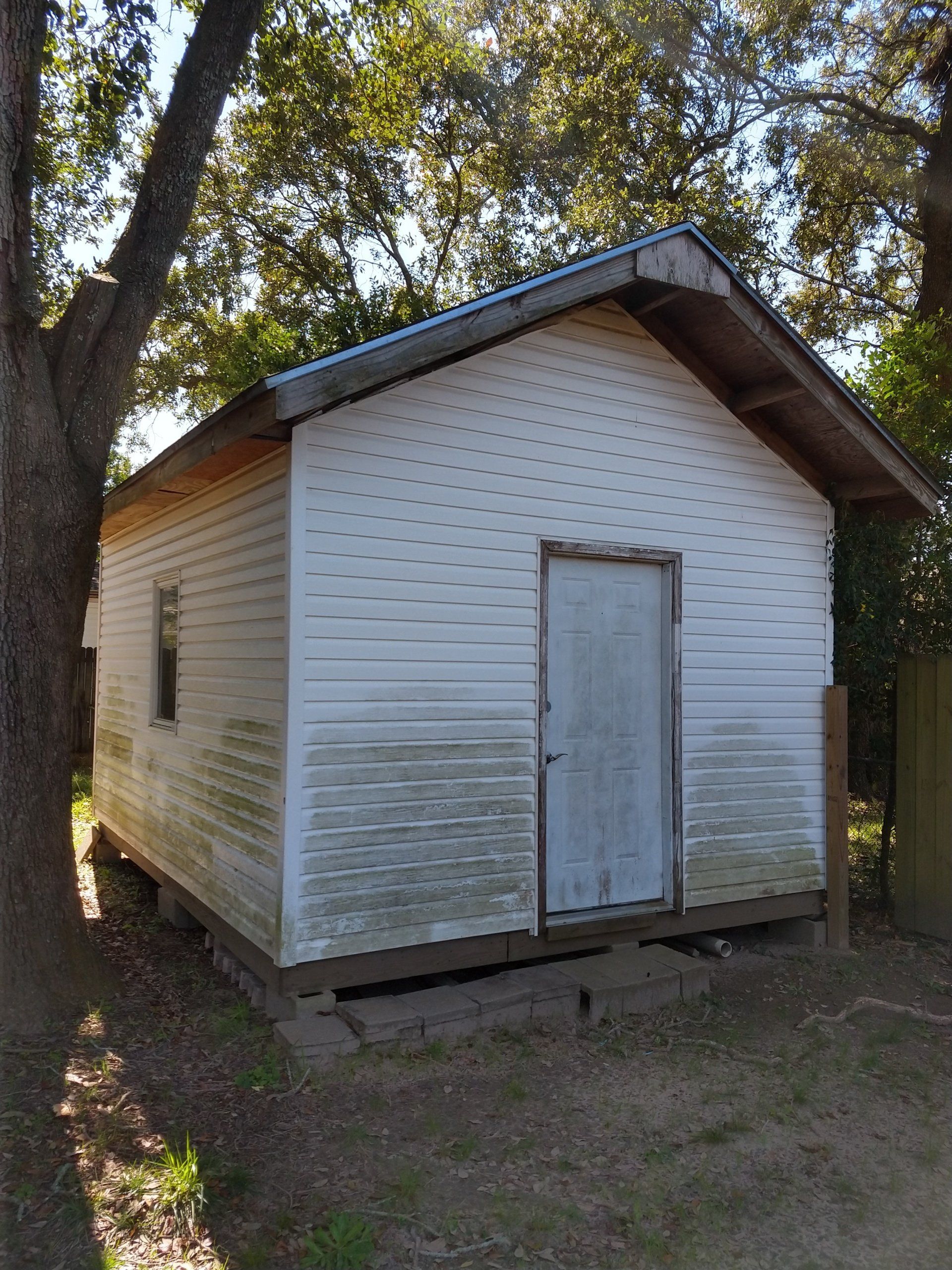
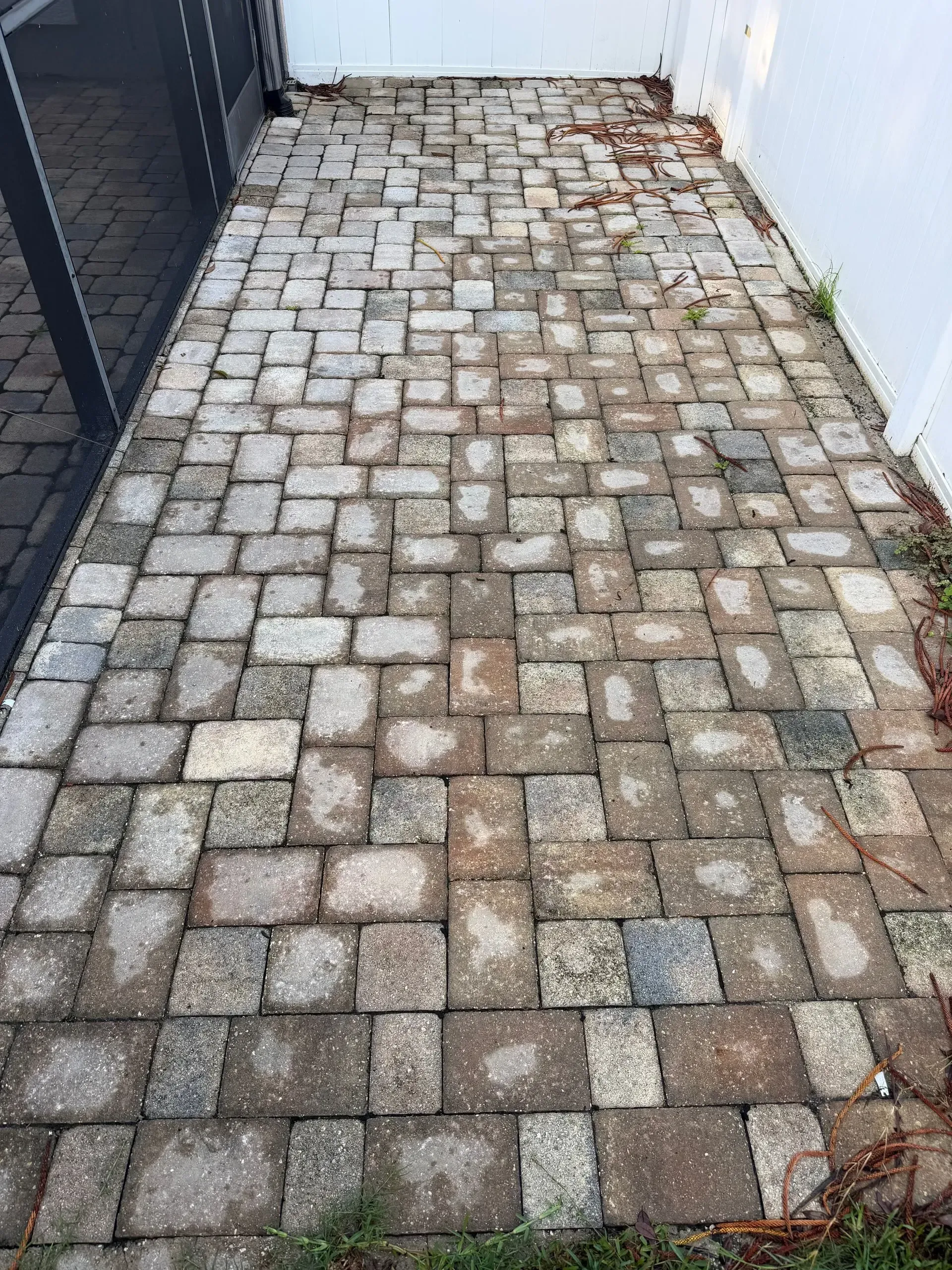
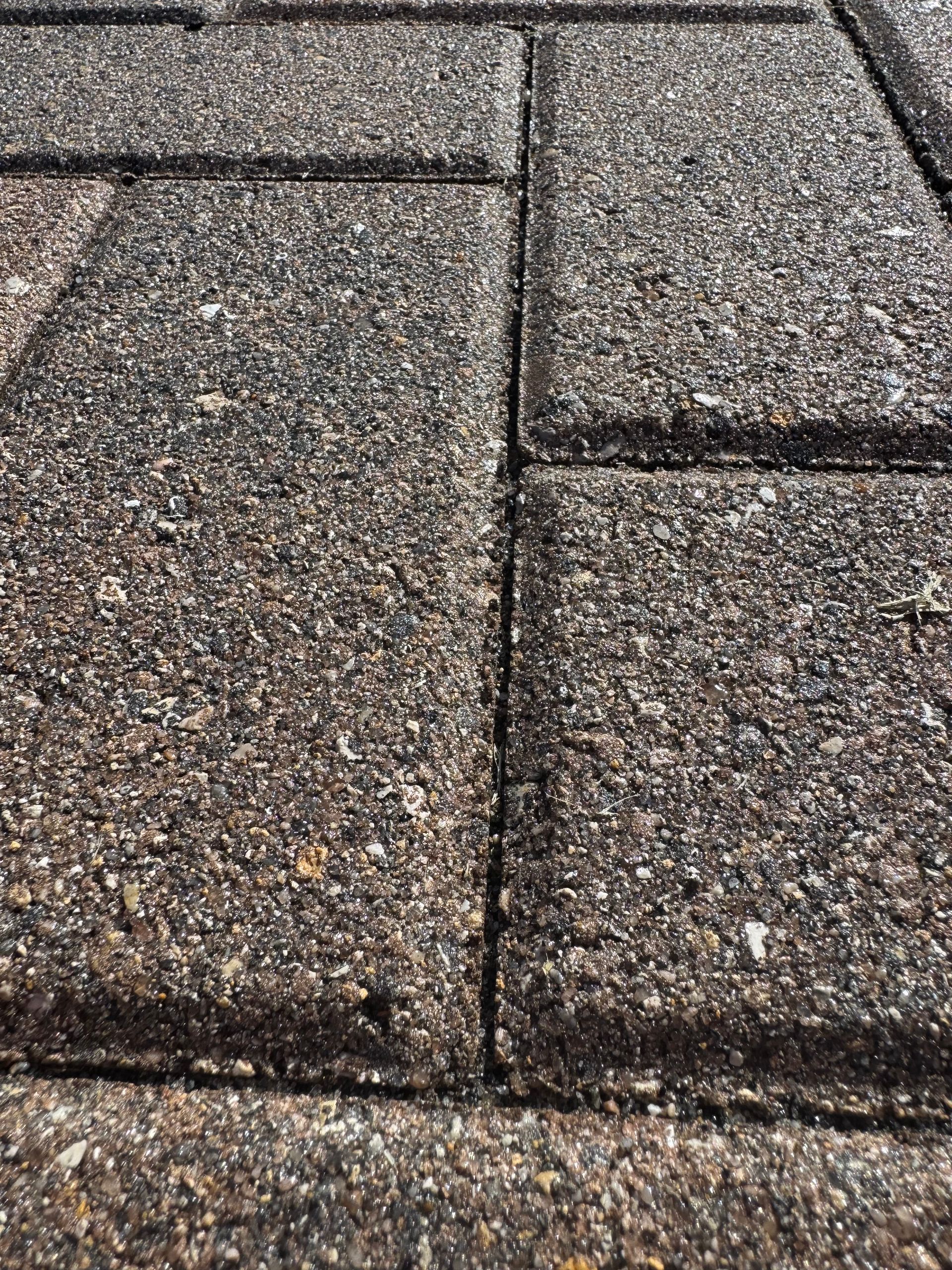
Odessa's blend of sandy soil, seasonal downpours, and thick tree canopy creates conditions that are uniquely hard on hardscaping. Concrete is porous by nature, and in a subtropical environment with near constant humidity, that porosity becomes a liability. Moisture seeps into the surface, algae and mildew take hold in shaded areas, and organic staining spreads across walkways that see little direct sunlight.
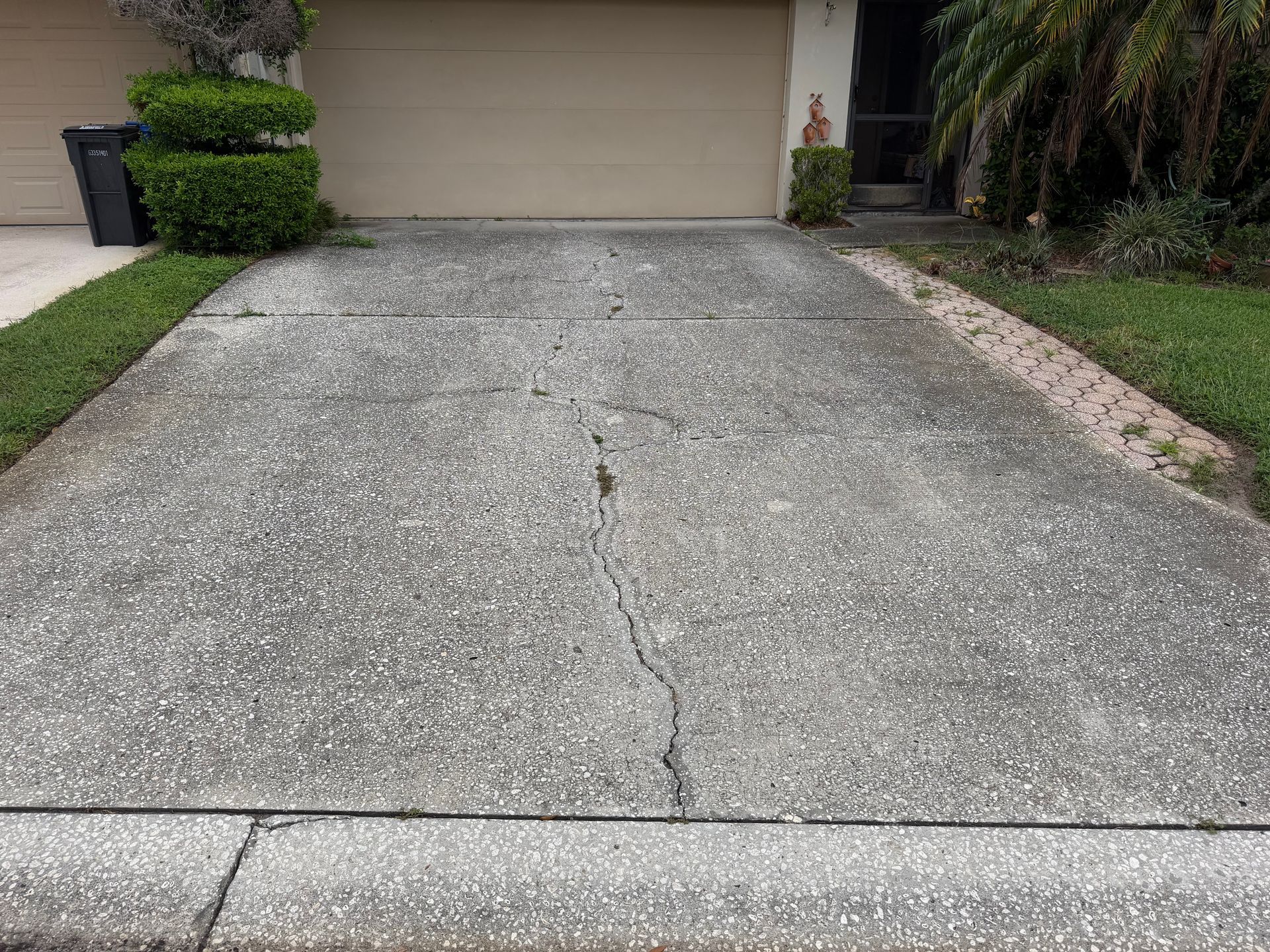
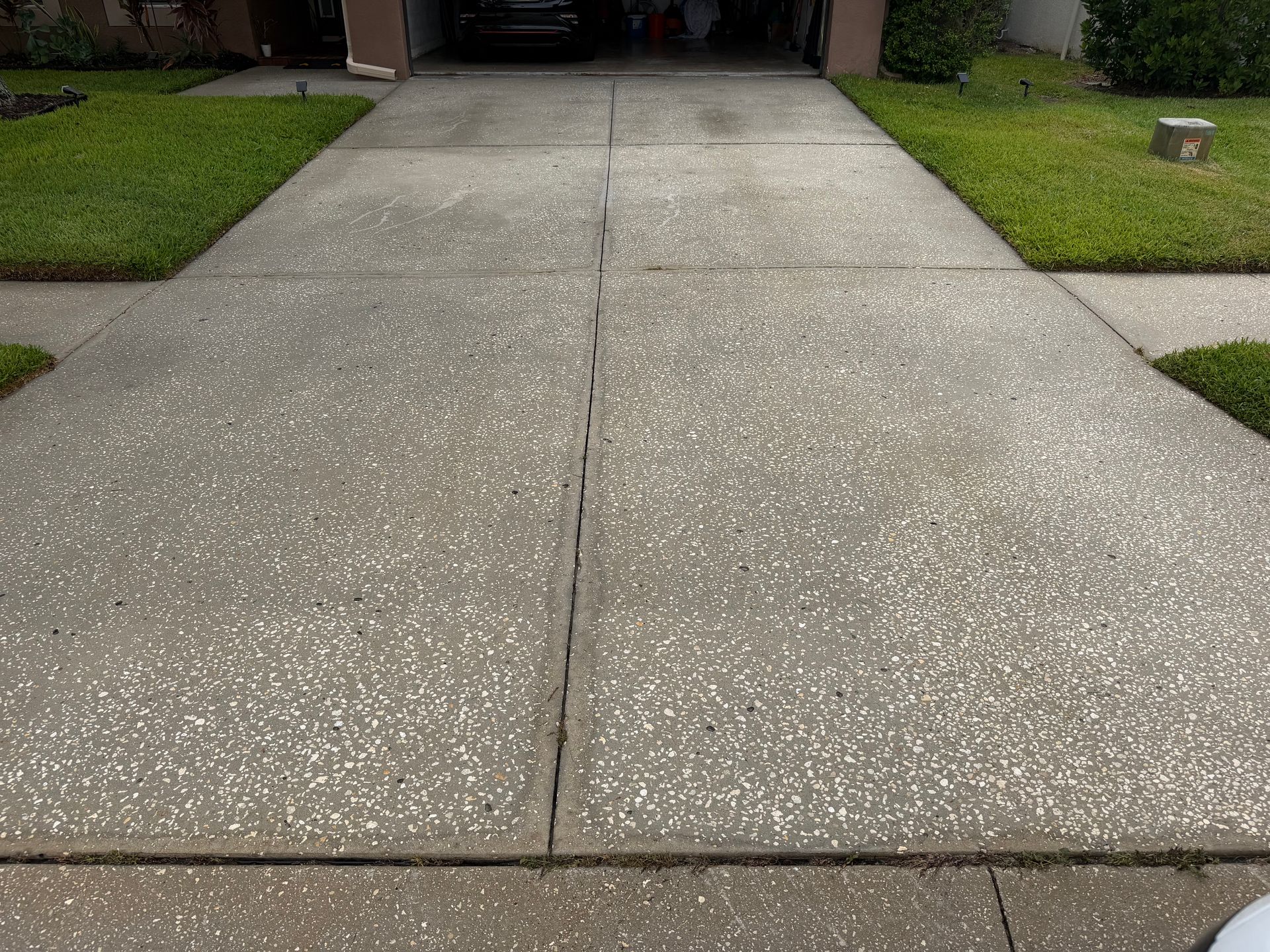
Add in Odessa's sandy, occasionally shifting soil composition, and you get a second layer of trouble: settling. Unlike the dense clay soils found further inland, the loose, well-drained sand common throughout this part of Pasco County doesn't always provide uniform support beneath a slab. Over time, sections of a walkway can settle unevenly, creating the trip hazards, hairline fractures, and lippage that homeowners often dismiss as normal wear and tear.
It isn't normal it's a predictable pattern of environmental stress that every concrete surface in this region eventually experiences.
What "Just a Stain" Is Actually Costing You
Homeowners frequently treat a darkened, blotchy, or green-tinted walkway as a purely aesthetic issue. In reality, neglected concrete compounds into measurable, sometimes expensive consequences:
Slip-and-fall liability. Algae and mildew growth on shaded concrete doesn't just look bad it becomes genuinely slick when wet. For homeowners with guests, renters, or delivery traffic crossing a walkway daily, that biological film is a real injury risk. HOA-managed common areas carry even greater exposure, since a fall on a community sidewalk can quickly become a liability claim against the association.
Accelerated surface breakdown. Trapped moisture beneath grime and organic buildup works its way into the concrete's pores. As Florida's heat cycles that moisture through repeated expansion and contraction, hairline cracks widen, and what was once a surface issue becomes a structural one. Left long enough, spalling where the top layer of concrete flakes and crumbles away sets in, and at that point, cleaning alone won't fix it.
Root intrusion and heaving. Odessa's tree-lined lots are part of what makes the area so desirable, but root systems from live oaks and other mature trees can lift and crack sidewalk sections from below. Once heaving begins, it rarely stops on its own, and delaying repair only increases the eventual scope of the fix.
Diminished curb appeal and resale value. Buyers and appraisers notice deteriorating walkways immediately. A stained, cracked, or uneven entry path signals deferred maintenance before a visitor even reaches the front door, and that first impression can influence how the rest of the property is perceived.
Why HOA Communities in Odessa Face Higher Stakes
Many of Odessa's planned communities operate under strict architectural and safety guidelines, and sidewalk condition is almost always addressed in governing documents. For homeowners, that creates a layered set of concerns:
- Formal notices for visible staining, cracking, or uneven surfaces
- Compliance deadlines that force rushed, reactive decisions instead of planned restoration
- Shared liability exposure on community walkways, trails, and common-area paths
- Neighborhood-wide perception impact, since a handful of neglected walkways can shape how buyers view an entire section of the community
A scheduled restoration plan removes the guesswork. Instead of waiting for a violation letter or, worse, an incident report, homeowners and associations that stay ahead of the problem avoid both the compliance headache and the safety exposure entirely.
Restoration Is a Process, Not a Single Step
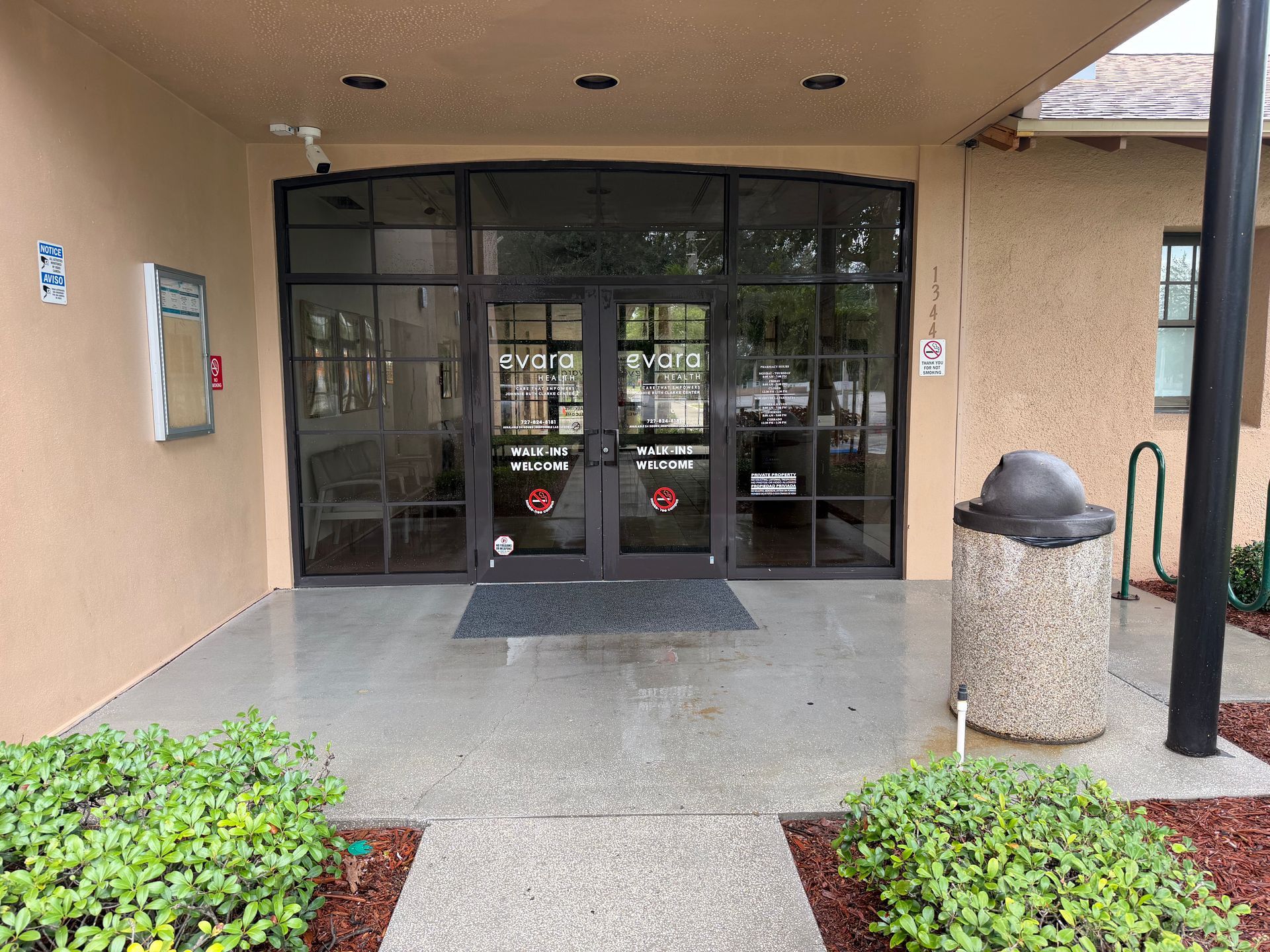
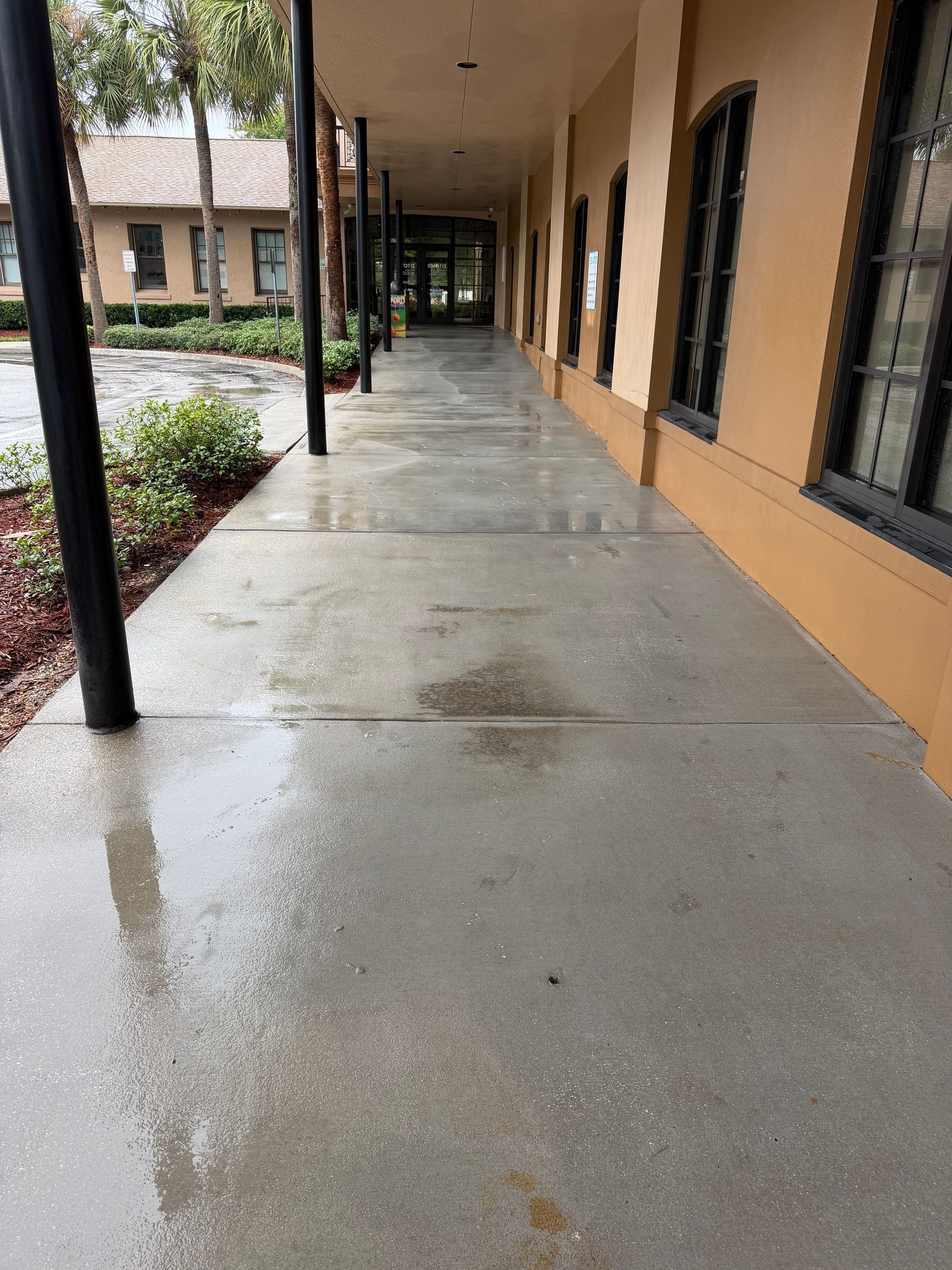
One of the most common misconceptions is that a single cleaning appointment equals restoration. True sidewalk restoration is a layered process, and skipping steps is why so many walkways look clean for a few weeks before staining creeps back.
1. Surface assessment. Before any equipment touches the concrete, a qualified technician should evaluate the extent of organic buildup, identify cracking or settling, and note any sections where root intrusion or drainage issues are contributing to the damage. Not every walkway needs the same approach.
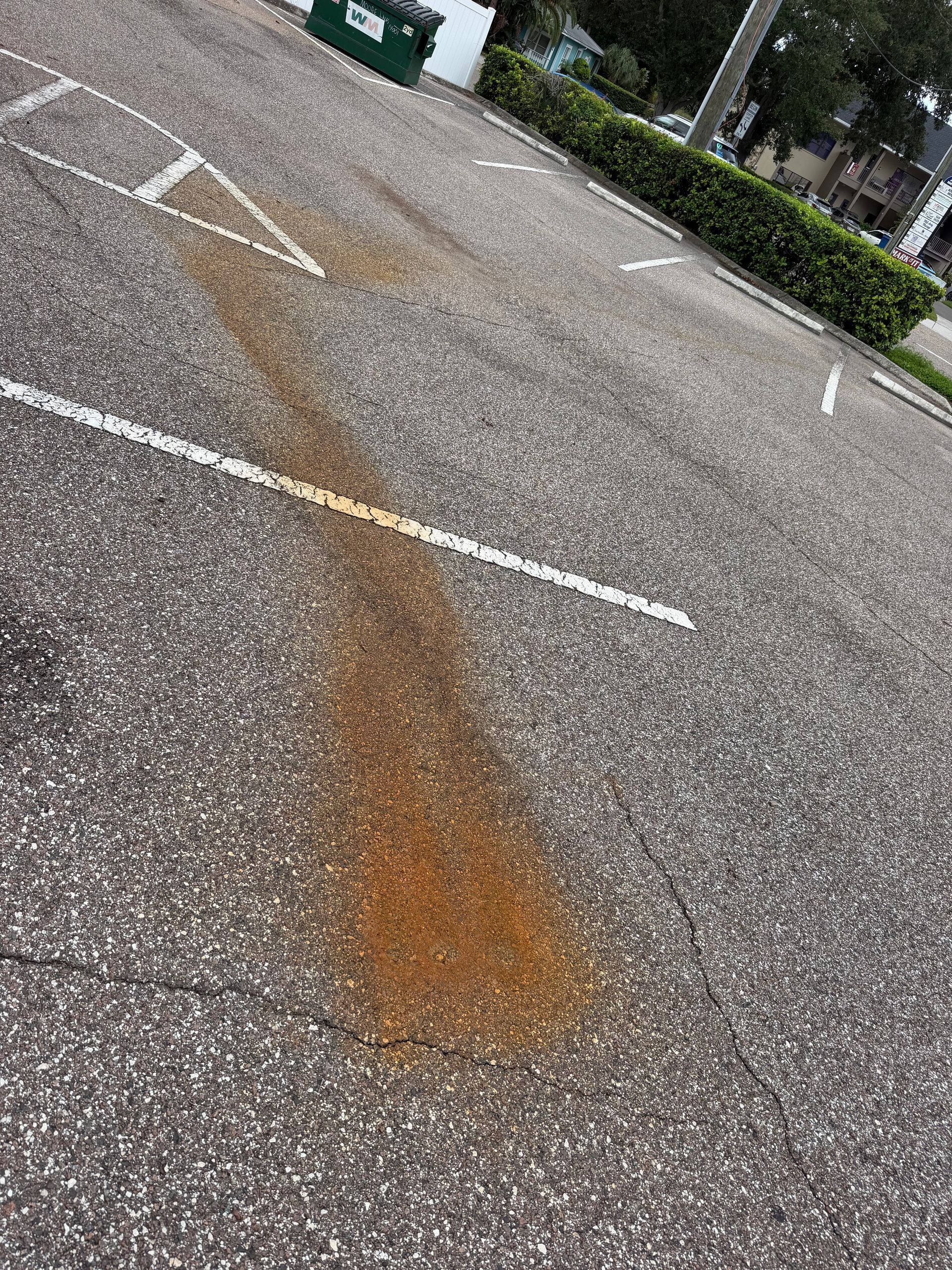
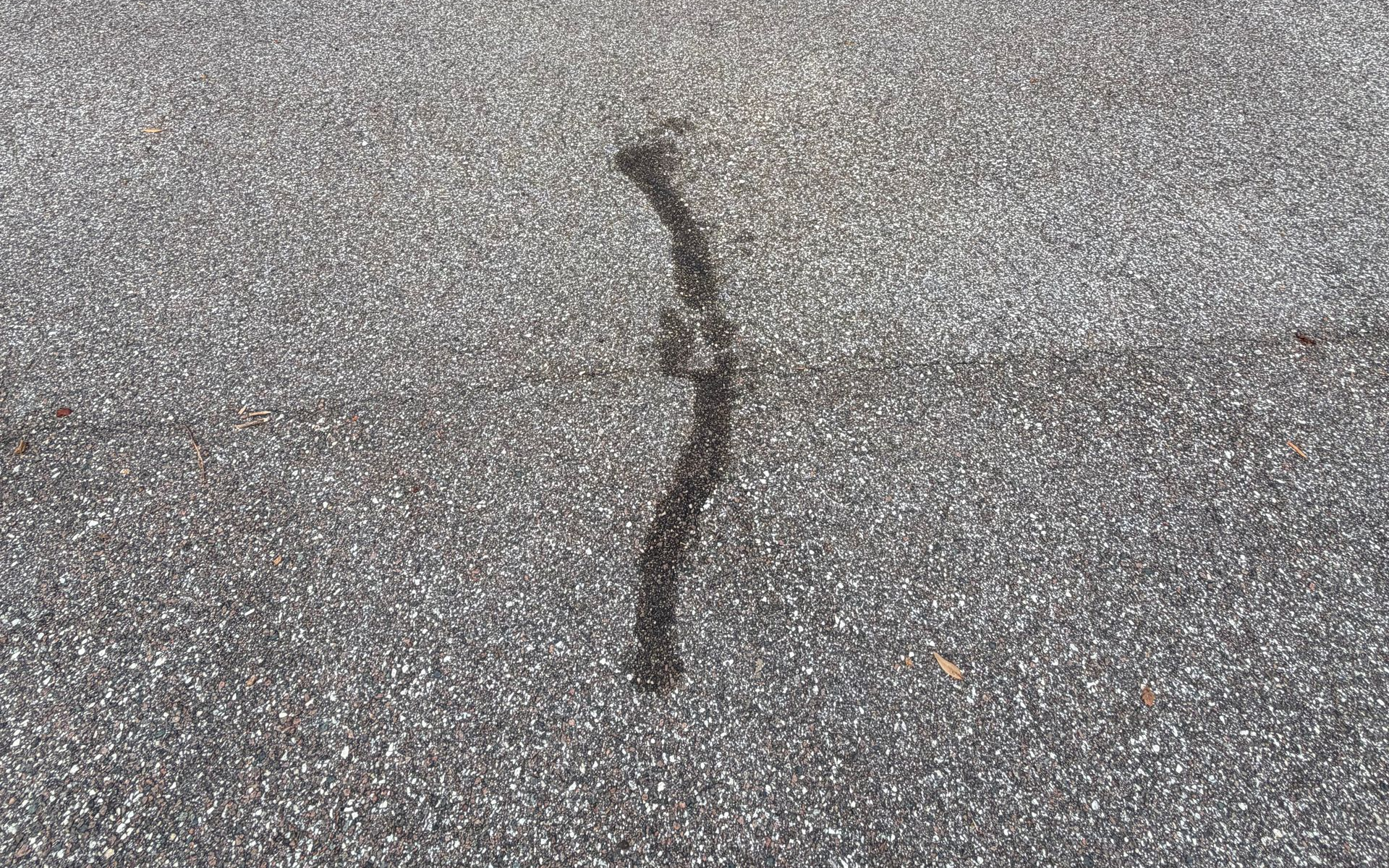
2. Degreasing and pre-treatment. Oil drips, tannin staining from mulch and leaf litter, and rust marks from irrigation or patio furniture require targeted chemical treatment before mechanical cleaning even begins. Water pressure alone won't lift these stains it just spreads them.
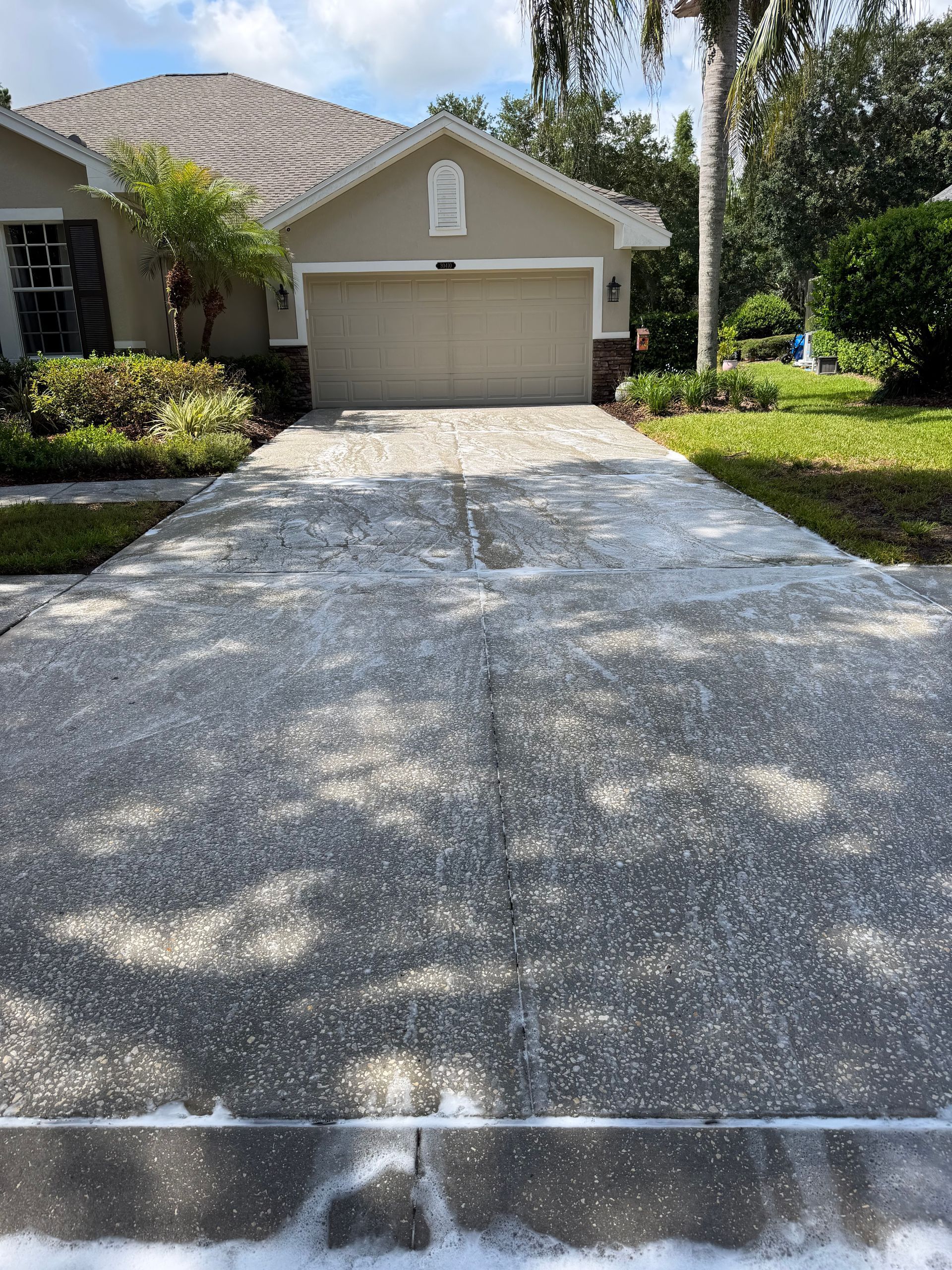
3. Surface cleaning at the correct PSI. Concrete can typically tolerate higher pressure than stucco or roofing tile, but that doesn't mean "more pressure is better." Overly aggressive settings can etch the surface, strip texture, or create an uneven, blotchy finish known as tiger-striping. A skilled operator calibrates pressure and nozzle angle to the specific slab, age, and finish of the concrete.
4. Biocide application. Water and pressure remove what's visible, but algae, mold, and mildew have root structures that survive a rinse. A biocide treatment kills the organism at the source, which is the difference between a walkway that stays clean for months versus one that browns over again within weeks.
5. Crack and joint repair. For sidewalks with settling, hairline fractures, or minor heaving, restoration often includes polymer-based crack filling, joint resealing, or in more advanced cases, mud jacking or polyurethane foam leveling to correct uneven sections without a full slab replacement.
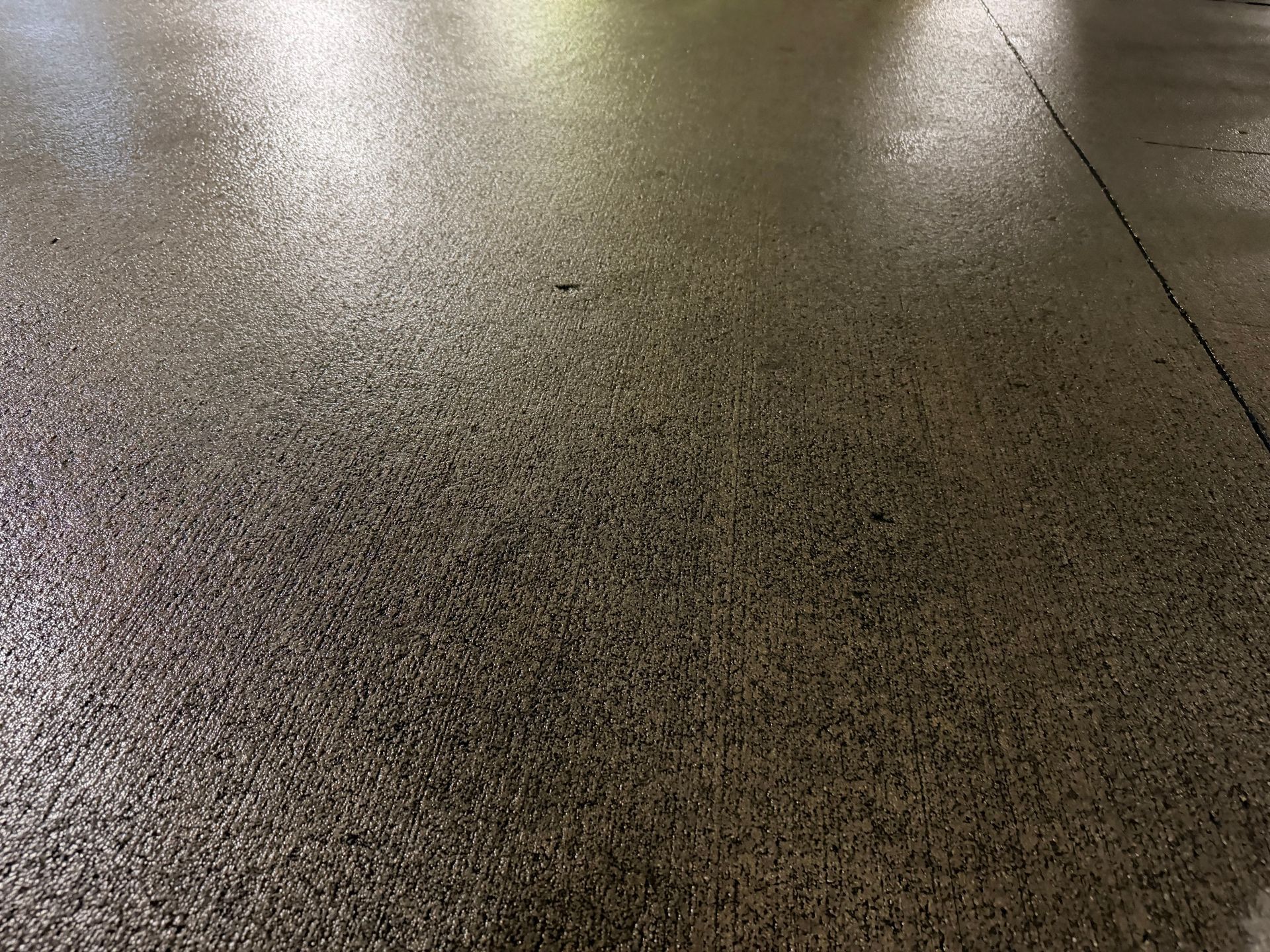
6. Penetrating sealant. This is the step most homeowners skip — and the one that determines how long the results actually last. A quality sealant fills the concrete's pores, blocks future staining, resists UV degradation, and dramatically slows the return of organic growth. Sealed concrete can go significantly longer between restorations than unsealed surfaces exposed to Odessa's humidity and shade.
Recognizing the Difference Between a Quick Rinse and Real Restoration
Not every provider approaches sidewalk work the same way, and homeowners evaluating a contractor should look for a few specific markers of quality:
- A written assessment of crack severity, settling, and drainage before work begins — not just a quote based on square footage.
- Use of surface cleaning attachments that produce even, streak-free results rather than a handheld wand that leaves visible pass marks.
- Chemical treatments matched to the specific stain type, rather than a single all-purpose solution used on everything.
- Photographic documentation of problem areas, especially where cracking or lifting could pose a tripping hazard.
- Insured, trained crews — a legitimate concern given the liability tied to concrete work near landscaping, irrigation lines, and pedestrian traffic.
Building a Maintenance Rhythm for Odessa's Climate
Restoration only pays off long-term if it's paired with a consistent upkeep schedule. For most Odessa properties, a reasonable cadence looks like this:
- Walkway and entry path cleaning: every 6–12 months, more frequently in heavily shaded, tree-covered lots
- Sealant reapplication: every 2–3 years, depending on foot traffic and sun exposure
- Crack inspection: annually, ideally paired with routine cleaning so small fractures are caught before they widen
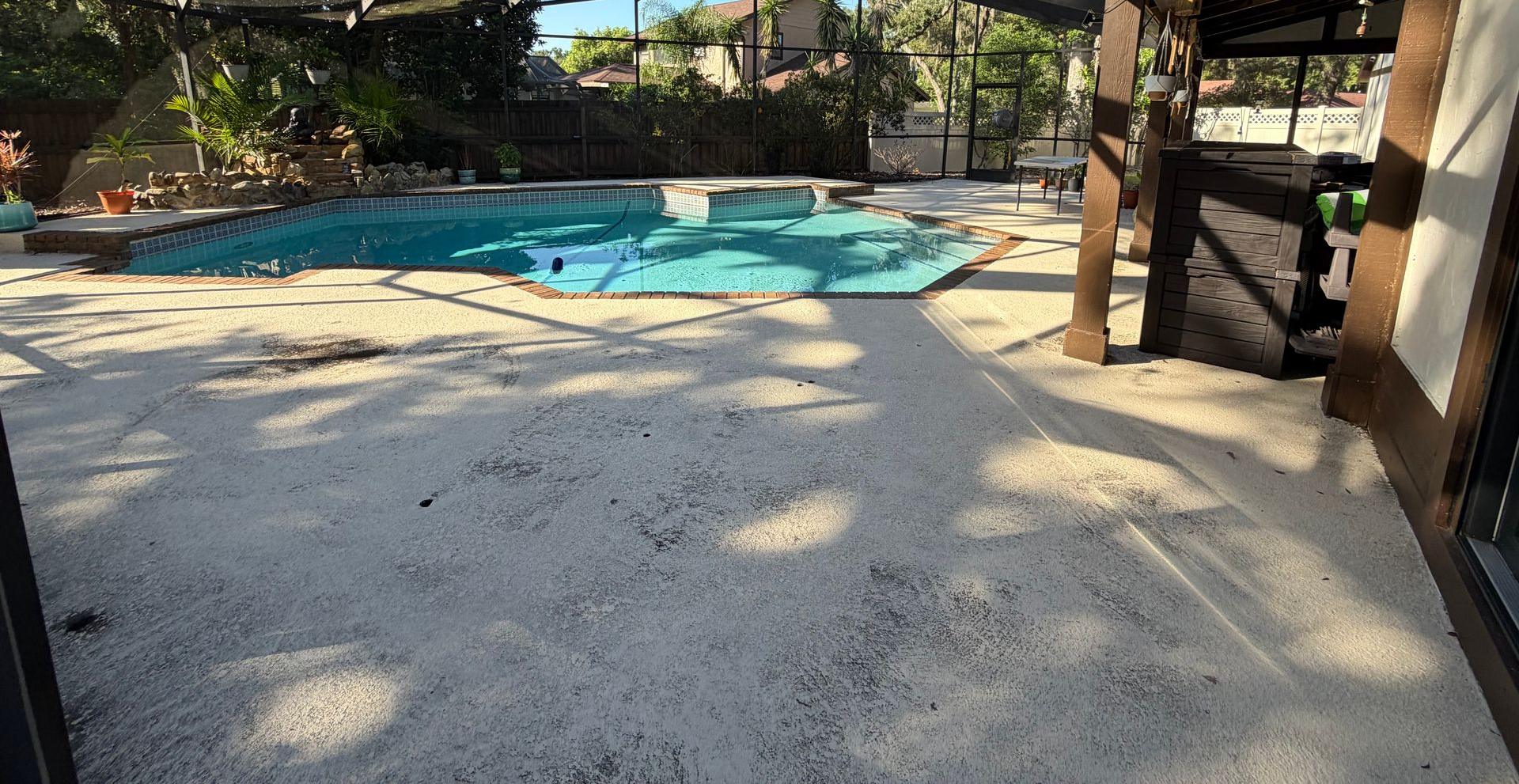
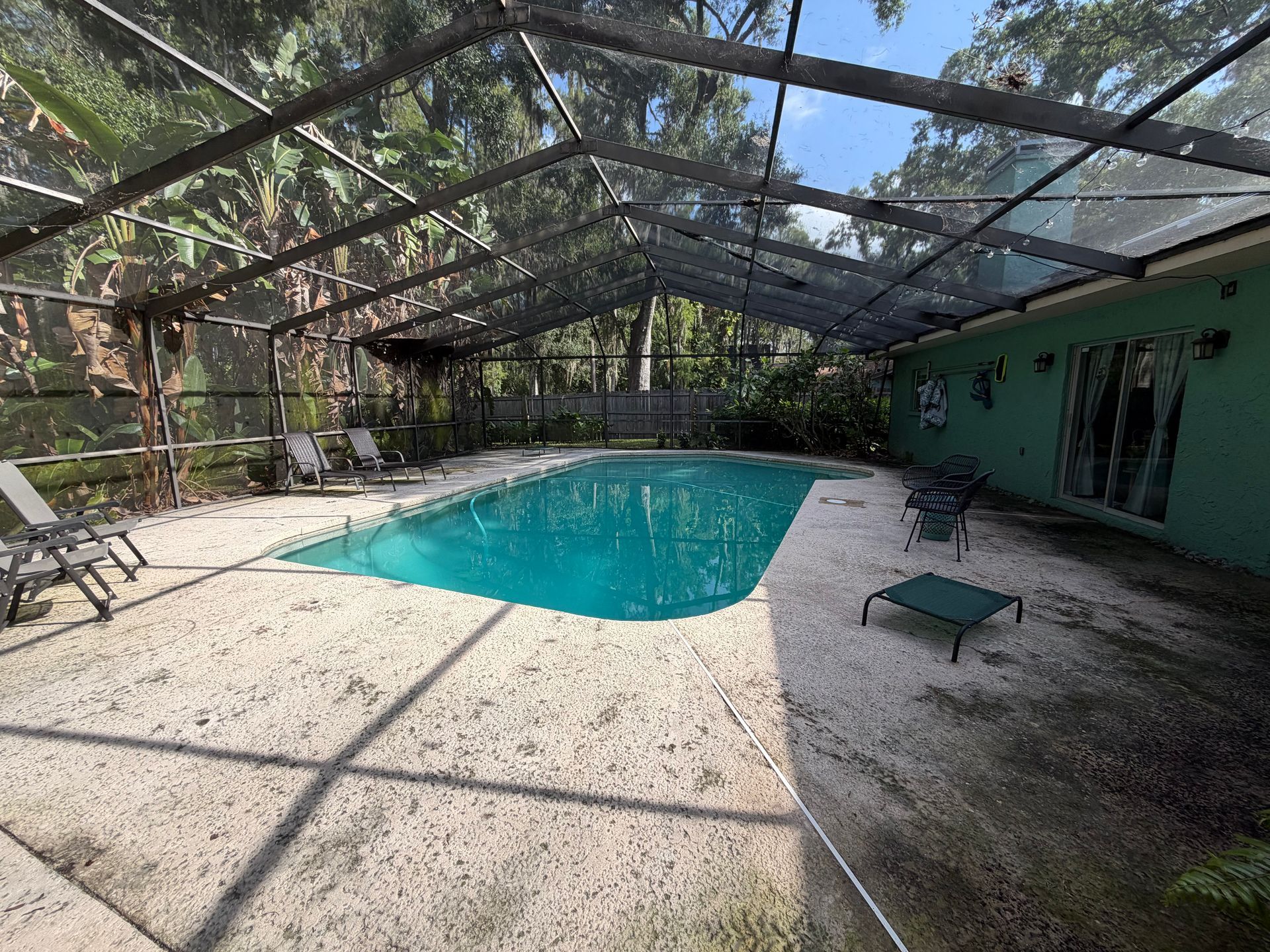
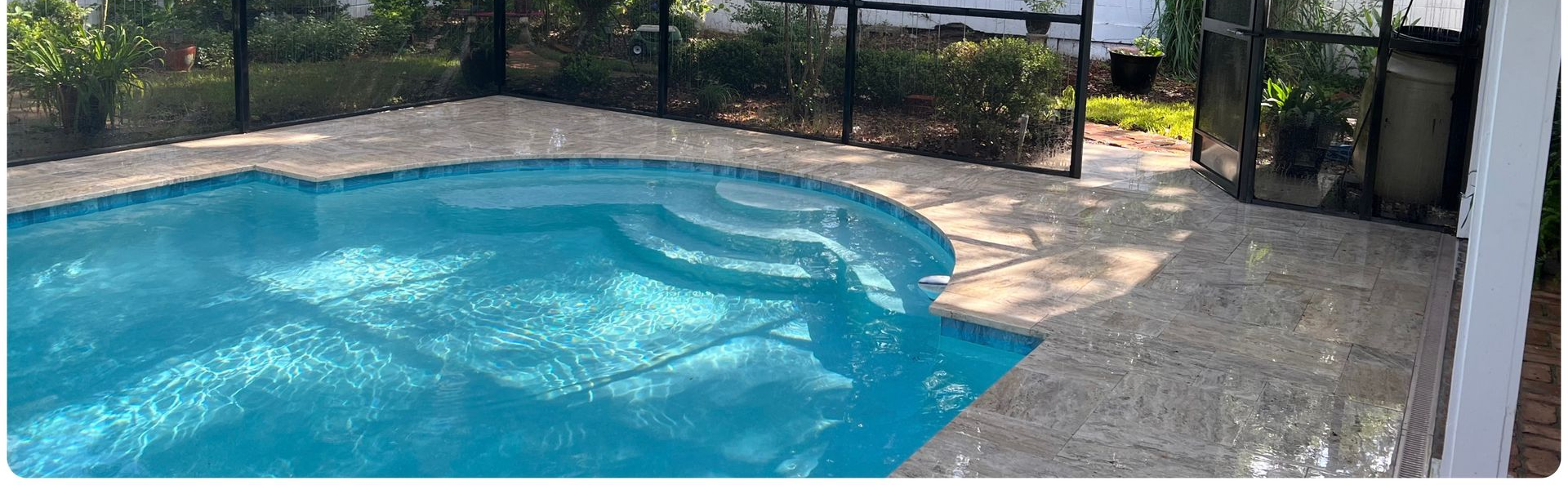
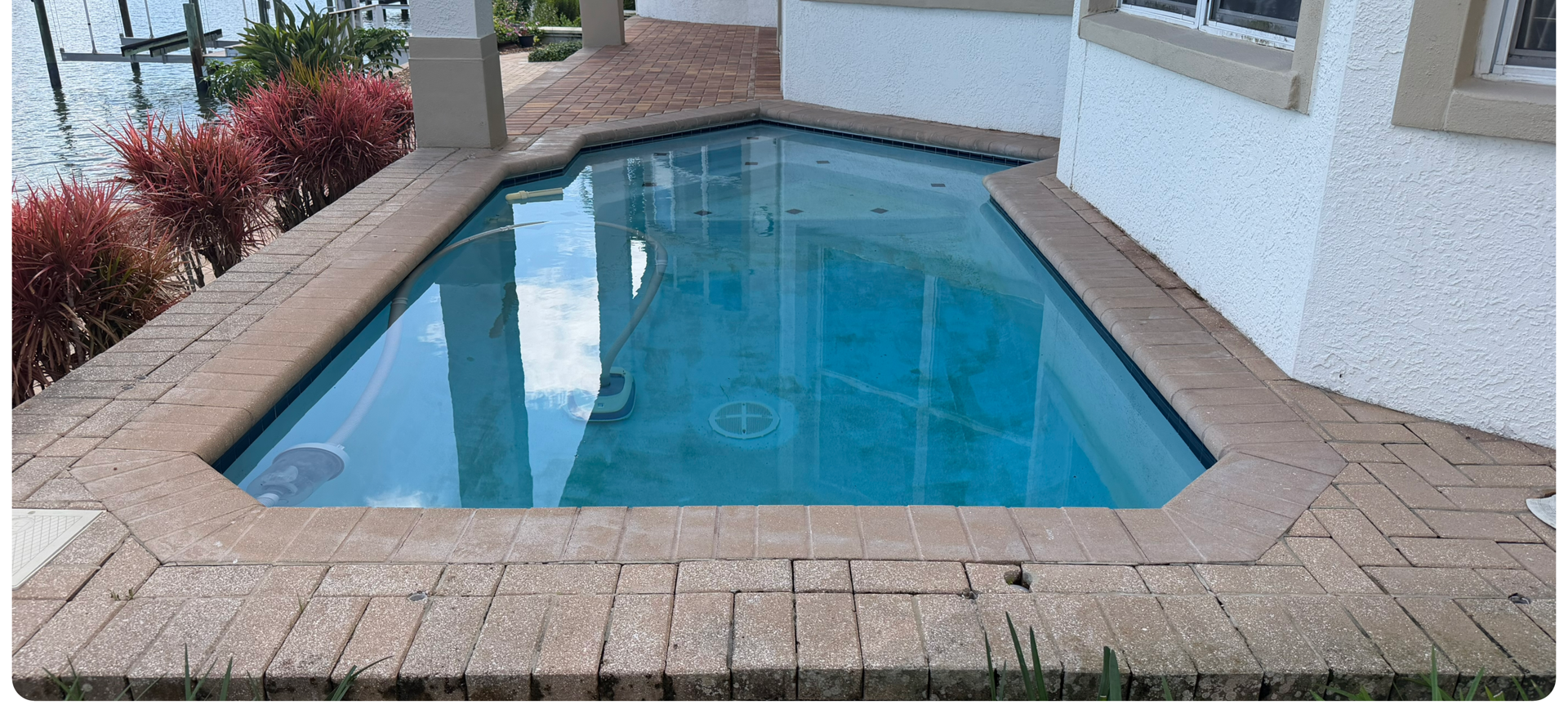
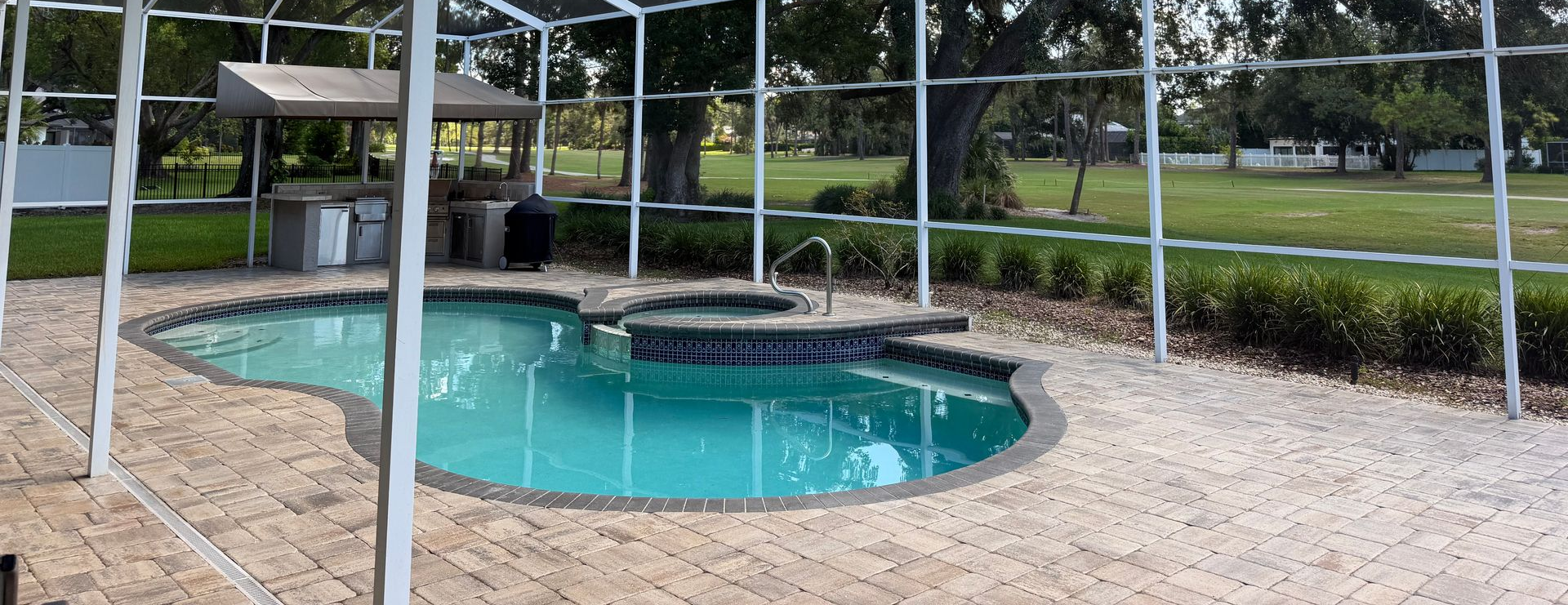
- Pool deck and patio concrete: every 6–12 months, since chlorine exposure and standing water accelerate staining
- HOA common walkways and trails: biannual inspection at minimum, given the higher liability profile of shared spaces
Properties with dense oak canopy — common throughout Odessa's larger, more established lots — typically need service on the shorter end of these windows, since shade and organic debris accelerate biological growth well beyond what open, sun-exposed sidewalks experience.
Protecting a Surface People Walk On Every Day
A driveway or roof failing is often a slow, visible process. A sidewalk failing is different — it's the surface your family, guests, mail carriers, and neighbors interact with daily, often without a second thought, until someone catches a toe on a lifted seam or slips on a shaded, algae-slick section after rain. That combination of constant use and easy-to-ignore deterioration is exactly why sidewalk restoration deserves more attention than it typically gets.
For homeowners and associations throughout Odessa, the choice isn't whether concrete walkways need attention — Florida's climate guarantees that they will. The real choice is whether that attention comes through a planned, professional restoration approach, or through a reactive scramble after a complaint, a violation notice, or an injury. A well-executed restoration plan protects three things at once: the safety of everyone who uses that walkway, the structural integrity of the concrete itself, and the long-term value of the property it surrounds.
Serving Odessa and the surrounding Tampa Bay communities with professional concrete cleaning and sidewalk restoration — because the paths people walk every day deserve the same care as the home they lead to.